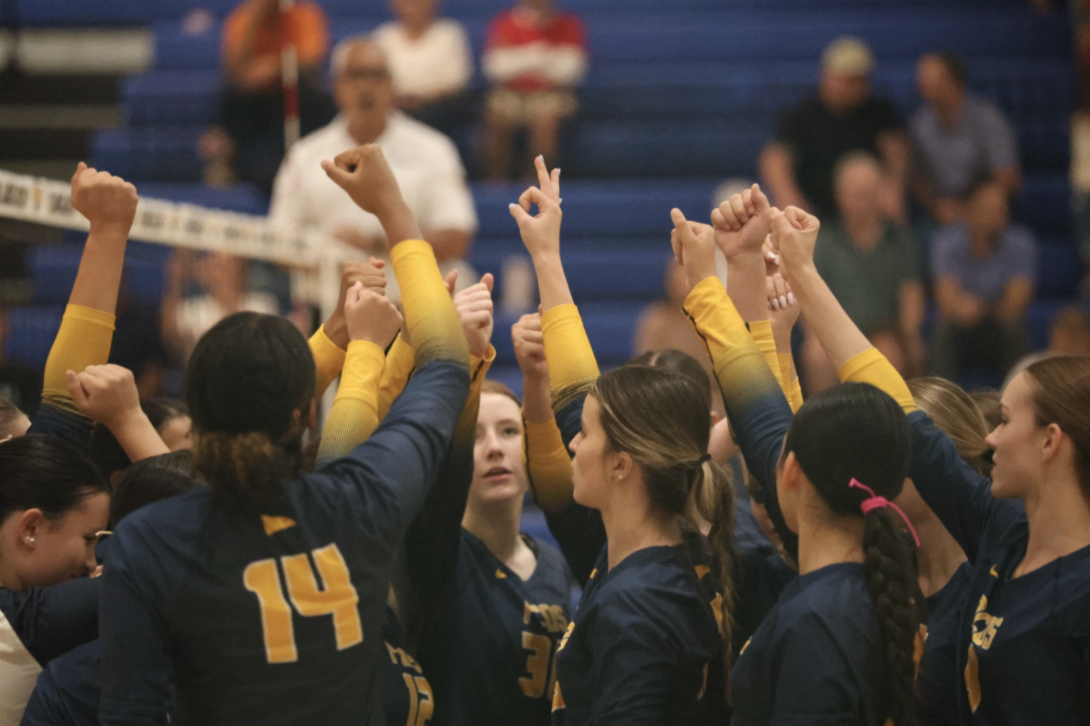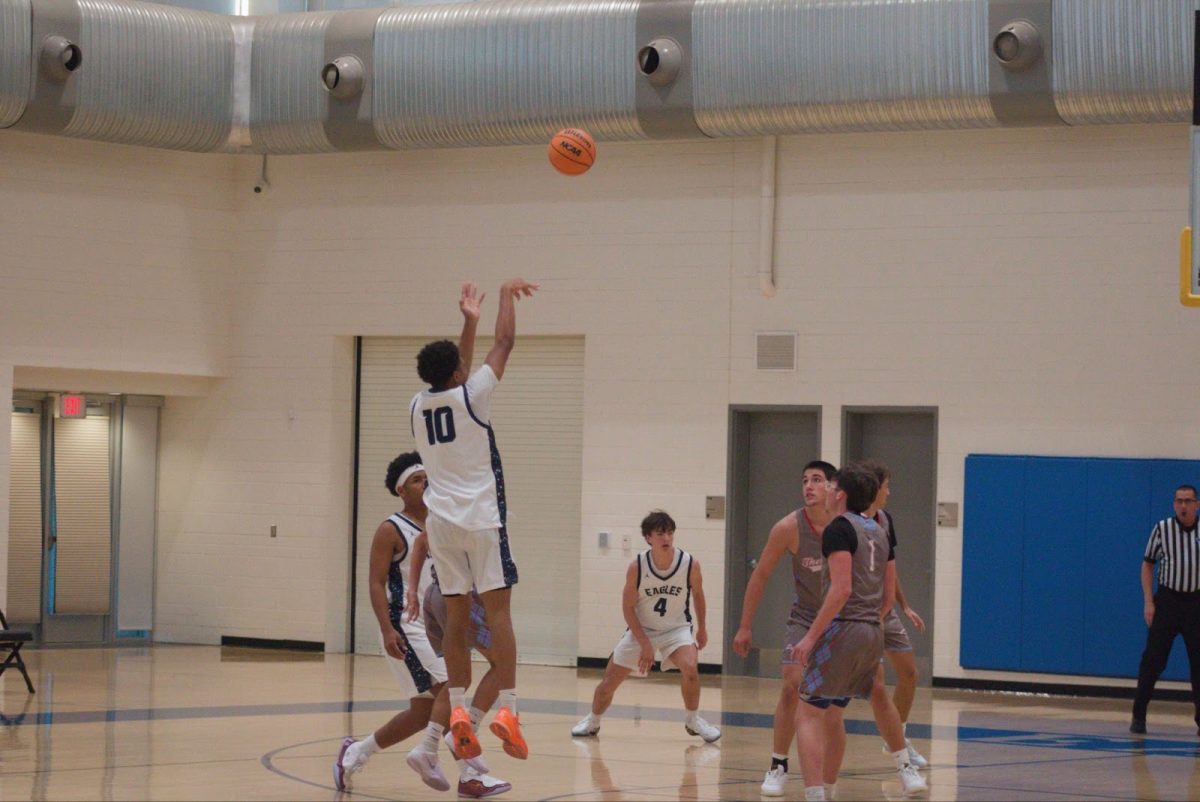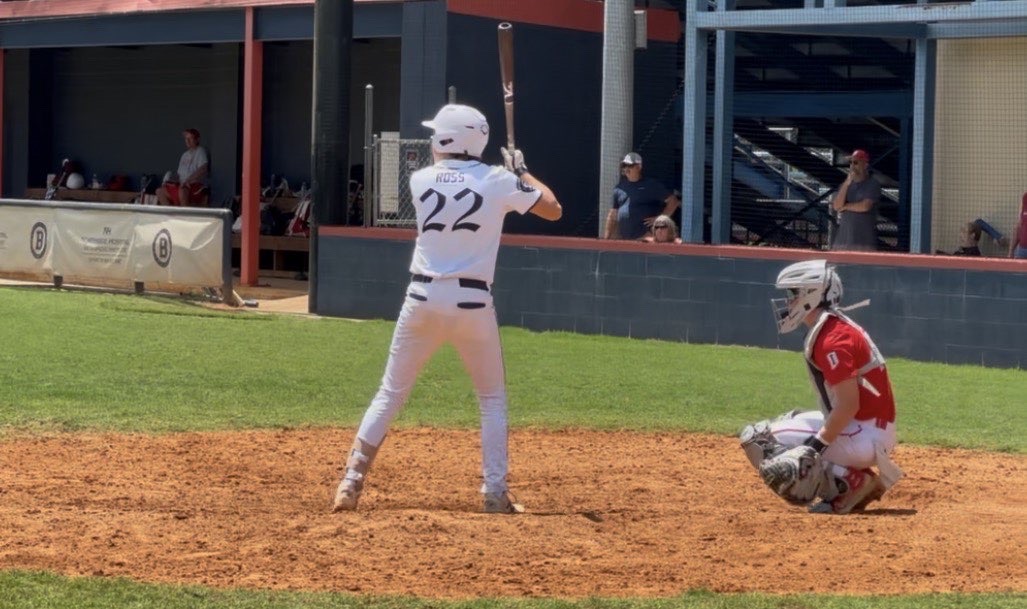
A college athlete used to have to prove they were good enough to earn a spot on a team. Now, they may have to prove they are worth the price. With schools now able to share revenue directly with the athletes, recruiting has become more than just athletic ability. Colleges must also consider how much they can afford to pay athletes and how to distribute their money across their programs.
Since the House v. NCAA settlement took effect in July 2025, Division I college athletics has entered a new era of direct revenue sharing, back-pay compensation, and roster limits. In June 2025, Claudia Wilken, the Senior Judge of the United States District Court for the Northern District of California, approved the settlement. It is designed to compensate athletes who had previously been unable to earn money from their name, image, and likeness (NIL). However, as schools decide how to distribute their money and limit their rosters, an important question remains: What happens to the athletes who are good enough to compete but not profitable enough to keep?
Wilken’s approval of the settlement set aside approximately $2.8 billion in back pay for athletes who had been excluded from earning NIL money and allowed schools to share revenue directly with athletes. Of the 364 Division I schools, 310 opted in, according to the College Sports Commission.
Roster limits set the maximum number of athletes allowed on a team, replacing the scholarship limits. Under the settlement, there are 105 spots for football, 15 for basketball, and 34 for baseball. Although athletes may receive partial or full scholarships, roster limits mean fewer athletes can occupy spots on certain teams. Additionally, schools are no longer required to fund a particular number of scholarships in every sport, creating uncertainty for athletes who depend on those opportunities.
The court received 73 formal objection letters written to Judge Wilken, many warning that new roster limits would cost them walk-on or partial scholarship spots. Separately, an additional 343 athletes chose to opt out of the class action altogether. Chris McIntosh, athletic director at the University of Wisconsin-Madison, estimated his campus alone could lose 80 to 100 athletes. The American Volleyball Coaches Association counts at least 32 Division 1 Olympic Sports programs cut since the settlement was announced.
When a school has a fixed pool of money and no obligation to fund any particular sport, the sports that don’t bring revenue go first. Georgia planned to spend just under 90% of its first-year allotment on men’s football and basketball, according to reporting on the school’s financial plan.
The change also appears in recruiting. Coaches increasingly favor transfers who are ready to play over developing high school recruits, and some top programs take only a handful of freshmen each year. Recruits may be asked to make decisions quickly while navigating NIL opportunities and contracts that can range from a few thousand dollars to millions.
College athletics is a market, and markets reward finished products. The athlete who drops two seconds, the football player who racks up seven sacks, and the walk-on who works their way onto a roster may all have potential. But in a system that prioritizes immediate results, a proven veteran can be worth more to a program than an athlete who still needs time to develop.
Grant House, the former swimmer whose name is on the House vs. NCAA Settlement, has received backlash from the start. He placed sixth in the 200 Individual Medley at the Olympic Trials—where second place makes the team. As an athlete who could have earned a spot on any roster, many critics say that makes him a poor spokesperson for athletes who aren’t elite. If an inferior athlete had been the complainant, many suspect the criticism would have been that they were chasing the money because they weren’t good enough to make their dream roster. There was no messenger, suggesting that the argument should be judged on its results rather than on who presented it.
Supporters of the settlement pose strong arguments. Athletes generate billions of dollars for college sports while facing restrictions on their ability to benefit financially from their own name, image, and likeness. They deserve the opportunity to share in the value they help create. House himself acknowledged that the settlement was not a permanent solution, saying, “it’s not the answer we should stick with for the rest of time. It’s a starting point and a leverage point to move forward and develop over time.”
Giving some athletes more opportunities financially could mean taking opportunities away from others. Swimmers, wrestlers, walk-ons, and athletes who are still developing may lose their chance to compete just because their sports don’t bring in as much money. College sports need to find a way to pay athletes without making every roster spot a financial decision. Until then, college sports will keep sorting through athletes by price.