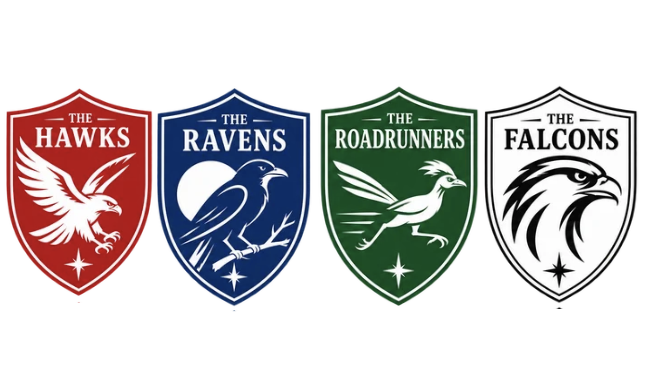
The new four-year advisory system launched this year. It will give high school students on campus a deeper sense of community.
Before the four-year system, advisory was a two-year commitment, with students switching advisories for their upperclassman years and, in some cases, switching multiple times before then. Assistant Head of the upper school Nick Klemp shared insight into what led to this decision, and a few upperclassmen shared how this would have impacted their experience and how it has already impacted their experience.
Assistant Head of Upper School Nick Klemp shared the behind-the-scenes process leading up to this decision. When asked where this idea stemmed from, he said, “We really emphasize how small of a community we are and how important relationships are to us, between students and between teachers. And it felt like there was an opportunity to make that stronger with our advisory system.”
Klemp recognized some of the weaknesses of the old advisory system. He said, “We were just kind of lacking in that ability to form a strong relationship because advisory just doesn’t meet often enough for a year or two years to feel like you’ve really made a strong connection with that advisor.”Klemp envisions long-term impacts as well, saying “ I wouldn’t be surprised if I saw a lot more advisors become like senior speech advisors now that they have closer bonds.” Klemp summarized this system,saying, “I think students will be better supported. I think advisors will grow deeper and stronger relationships with their kids that are in that advisory itself. And I think those cross relationships and the advisory as a whole are going to be much stronger than they have been in the past.”
Junior Aidan Ganatra, whose advisor has changed four times over the last three years, shared, “I think that’s a good idea. I really don’t like how we have been changing advisories a lot.” He emphasized how hard changing advisories was, saying, “Your advisory just kind of disappears; you have a new teacher who’s supposed to be your advisor every year, and it’s kind of harder to adapt.”
Junior Max Allen supports the four-year system. “Ultimately, I think that this four-year system helps us create closer bonds. I liked my four-year advisory with Mr. Colavita a lot, and I think others would enjoy this experience too.”
Although students have supported the new four-year advisory system, they still don’t view the old advisory system as a failure. Junior Aidan Ganatra said, “I think it’s fine if you have an advisory for two years and another advisory for two years, but switching every six months to a year is kind of a lot harder.”