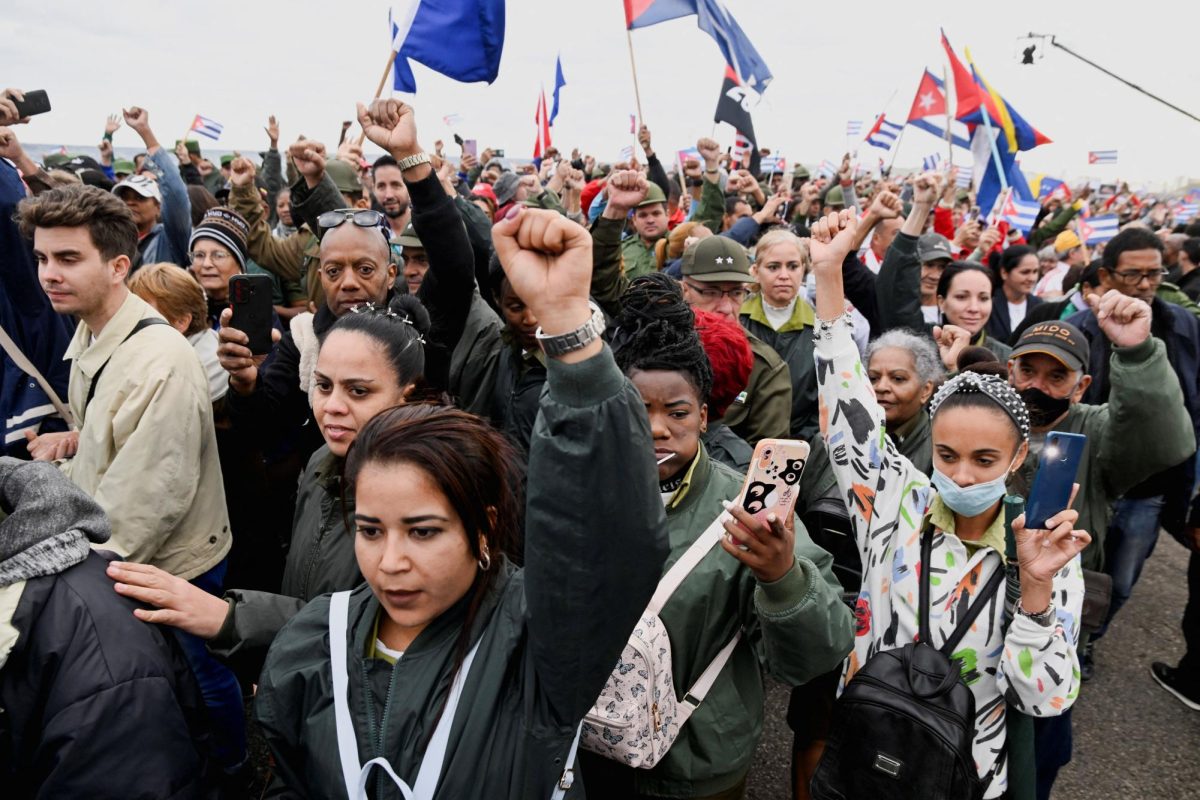
On June 14, 2025—the same day as President Donald Trump’s 79th birthday and the U.S. Army’s 250th anniversary—protests took place in every state under the slogan “No Thrones. No Crowns. No Kings.” Organizers described the demonstrations as a defense of American democracy and a statement against what they viewed as the expansion of presidential power.
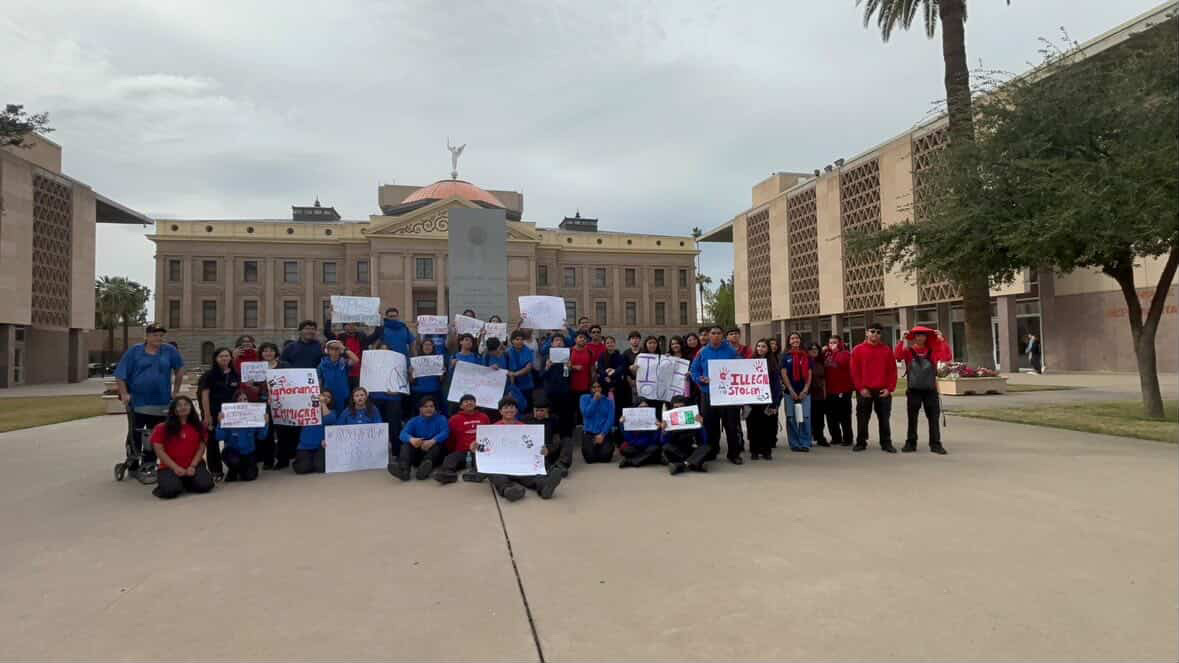
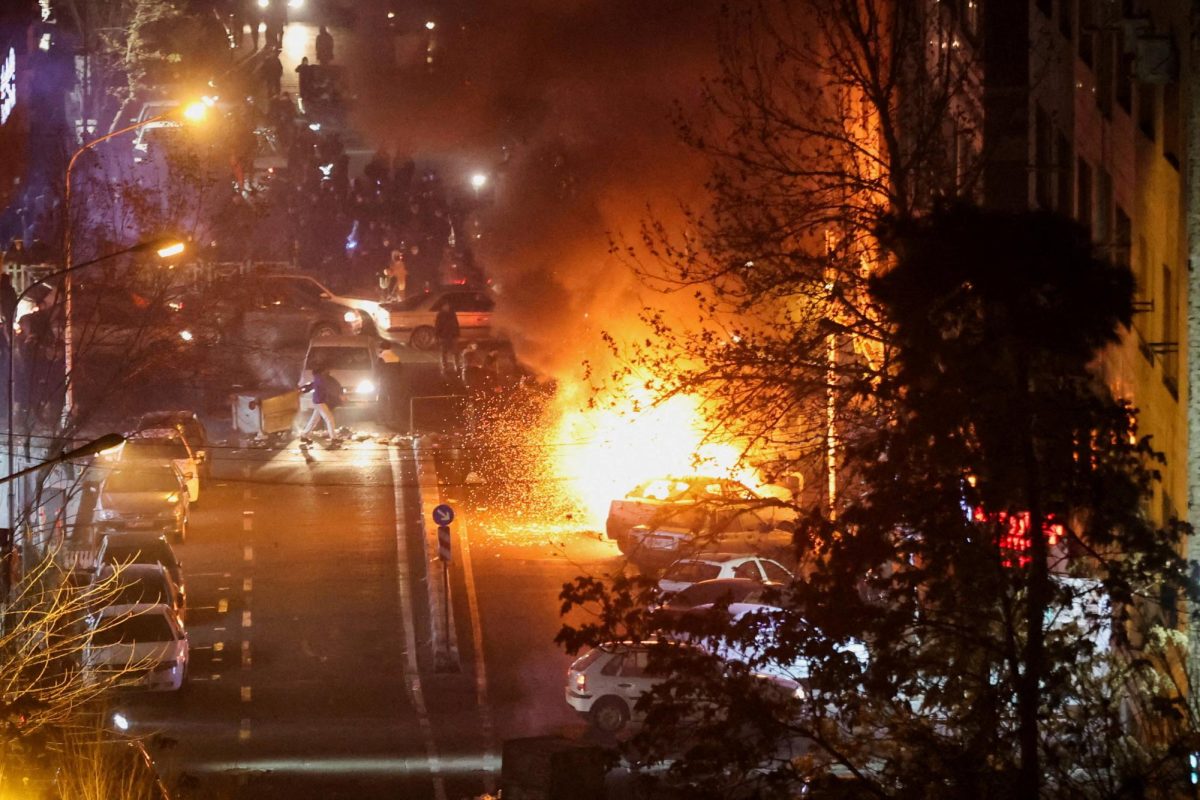
The rallies stretched from major cities like Los Angeles and New York to smaller towns across the country. Crowds carried signs referencing the Founding Fathers and the Revolutionary War while chanting phrases emphasizing freedom and civil liberties. Participation numbers varied widely by location, but estimates placed total turnout in the millions, making it one of the largest coordinated demonstrations in recent years. Most events remained peaceful, though some cities saw minor clashes between demonstrators and law enforcement.
The movement’s central claim was that presidential authority, particularly under Trump’s second administration, had grown too expansive. Protesters pointed to executive actions on immigration enforcement, the deployment of federal officers in U.S. cities, and ongoing disputes with independent agencies as evidence of that trend. Critics of the protests argued instead that such actions fell within established constitutional boundaries, emphasizing that Congress and the courts continued to provide checks on executive power.
Reactions from government officials were divided. White House statements dismissed the demonstrations as “political theater,” while some state and local leaders defended the right to peaceful assembly. Legal experts and commentators used the moment to revisit longstanding debates about the balance between federal and state authority and the scope of presidential power in times of domestic unrest.
Despite its serious tone and sweeping rhetoric, the No Kings movement carried an undeniable air of theatricality. Many protests featured participants dressed as colonial revolutionaries, waving mock declarations and chanting slogans drawn from the 18th century, as if restaging the American Revolution in modern streets. The imagery was dramatic, but to some observers, it bordered on parody—especially given that the United States remains a functioning democracy with regular elections and constitutional checks in place. The idea of freely protesting “monarchy” in a republic led by an elected president struck critics as misplaced, turning what might have been a meaningful civic statement into a symbolic spectacle—more performance than principle.
In the days that followed, attention turned from the marches themselves to the broader questions they raised: What limits should exist on executive power? How should citizens respond when they believe those limits are being tested? To what extent does protest remain an effective tool for influencing government in a polarized political climate?
While the long-term impact of the No Kings movement is uncertain, it highlighted the continuing tension between strong executive leadership and the American public’s instinctive wariness. For supporters and critics alike, the day served as a reminder that the debate over the limits of presidential power is as old as the nation itself.