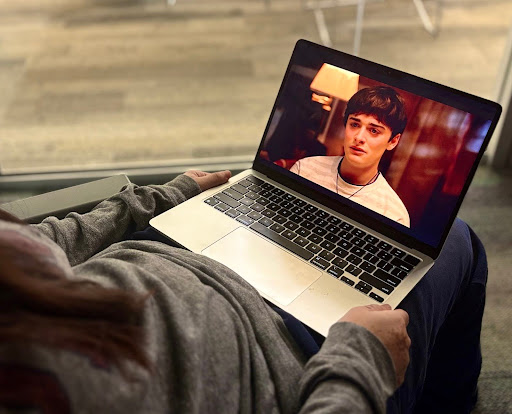
After years of anticipation, the Stranger Things finale has left viewers arguing over one big question: was it worth all of the hype? The PCDS community is just as split.
The finale, released on New Year’s Day, brought an end to a series that has been part of pop culture for nearly a decade. First premiering in 2016, Stranger Things became known for its mix of 1980s nostalgia, horror elements, and character-driven storytelling. Across five seasons, the show follows a group of kids from Hawkins, Indiana, as they face supernatural threats tied to the Upside Down, a dark, parallel dimension. Long production delays and constant online speculation only increased expectations for the final episode.
By the time the finale aired, fans expected a conclusion that would resolve major plotlines, deliver high-stakes action, and provide meaningful closure for characters they had watched grow up on screen. Instead, reactions were divided. Some viewers appreciated the emotional focus and reflective tone, while others felt the pacing was slow and the payoff was underwhelming after years of buildup.
PCDS History teacher Ms. Hott responded positively to the finale, describing it as emotionally effective despite its flaws. “I stayed up to watch it right at midnight,” she said. “I was really sad. It felt like the end of an era.” She praised the way the finale handled most character arcs, especially the flash-forward that showed where the characters ended up. “It actually made sense for them,” she said. However, she admitted the ending wasn’t perfect. “Steve’s arc didn’t totally work for me. He had grown so much, and the finale kind of hinted at him going backward, which felt predictable.”
Freshman Bryce Phillips also viewed the finale favorably, focusing on its structure rather than its spectacle. “I thought it tied everyone’s stories together pretty well,” she said. Phillips felt the ending was realistic even if it didn’t meet everyone’s expectations, sharing, “It wasn’t perfect, but I think people expected something impossible.” For her, the finale worked because it prioritized closure over constant action.
Sophomore Jayden Robinson, however, felt the finale failed to deliver what it promised. “After all those years waiting, it was a disappointment,” he said. Robinson criticized the lack of action, especially during the final battle, saying, “We waited ten years for the ending and got a five minute fight scene.” He also felt that the pacing dragged, with too much dialogue and not enough action.
Freshman Rakeb Gebresillasie was equally frustrated, pointing to both storytelling choices and behind-the-scenes concerns. “It didn’t feel right,” she said. Gebresillasie was especially upset by rumors that artificial intelligence may have been used in the writing process. She explained, “This was a show people grew up with. Knowing they used it [AI] made it feel lazy, like they didn’t care.” She added that the finale changed how she views the series overall.
The mixed reactions within the PCDS community highlight the challenge of ending a long-running show with a passionate fanbase. Whether viewers appreciate the emotional closure or feel let down by the execution, the Stranger Things finale left a lasting impression. Love it or hate it, the debate surrounding its ending proves the show’s impact extends far beyond its final episode.