On Monday, Jan. 12, the student-led organization Students Supporting Brain Tumor Research (SSBTR) hosted a day of immersion and learning at the Mayo Clinic in Phoenix, teaching students from schools across the valley about new types of radiation cancer treatment.
The event began in a small conference room, filled to the brim with curious students from different backgrounds, schools, and ages with one thing in common: an eagerness to learn. The room was filled with chatter as some students met each other for the first time while others caught up with old friends made within the organization.
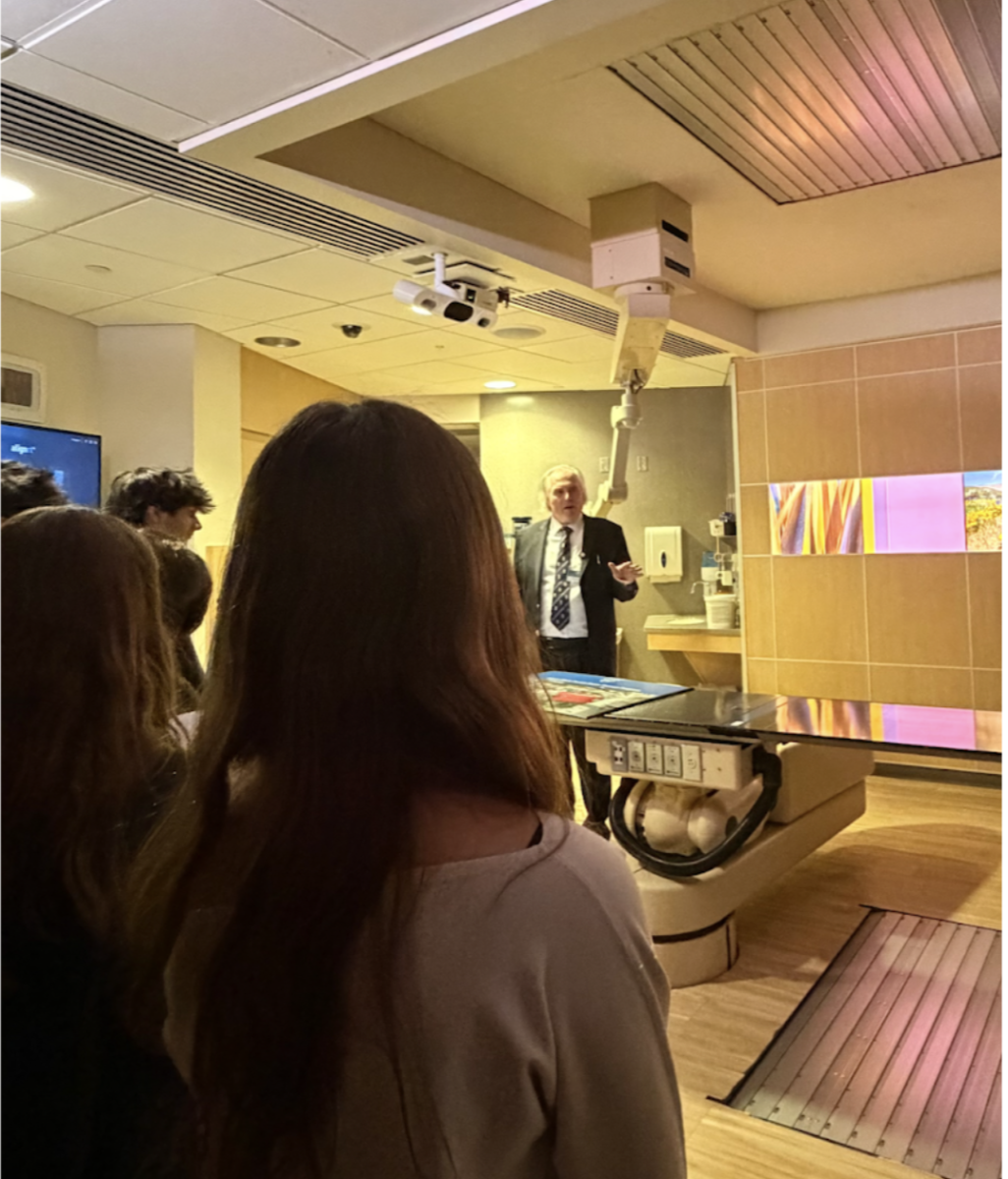
The event kicked off with a presentation from Dr. Brady S. Laughlin, a radiation oncologist who meets with cancer patients to create their radiation plan. In his presentation, Dr. Laughlin explained the difference between photon and proton radiation treatment. Photon radiation has a wider radiation area, meaning more damage to healthy tissues around the targeted cancer causing negative side effects such as skin burns, hair loss, nausea, vomiting, and diarrhea. Proton radiation has a much lower radiation area with the ability to be much more precise, causing less damage to healthy tissues. While both radiation therapy types have their benefits and disadvantages, Dr. Laughlin stated that each patient is unique, requiring a personalized radiation plan.
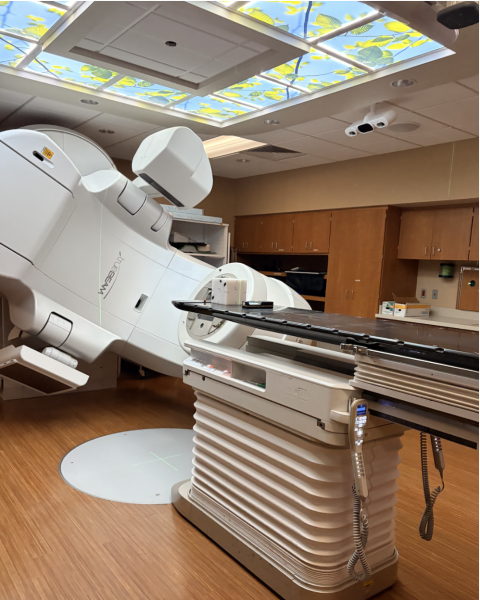
The students explored Mayo Clinic’s proton and photon radiation therapy units.A physicist guided an engaging conversation that revealed the intricacies of each machine. The proton radiation unit at Mayo Clinic consists of four machines that cost around $250 million to build. At this price, proton therapy would seemingly cost more than any other form of radiation therapy at Mayo Clinic. However, the entire proton radiation therapy unit was paid for by generous donors and therefore, the advanced treatment does not cost more for the patient.
Once the tour was finished, each student left with a new understanding of proton and photon radiation, perhaps a new friend, and for some inspiration to work in medicine.
The host, Students Supporting Brain Tumor Research is a student-led, non-profit organization dedicated to providing education and leadership opportunities to students in the field of medicine, specifically brain tumor research. Founded in 2002, by Steve Glassman (a student council advisor at Pinnacle High School) after three teenage students were diagnosed and succumbed to brain tumors. When research began to show that brain tumor diseases were becoming a prominent killer of teenagers, SSBTR was created to speak out and raise awareness.
Since 2002, the organization, with student and volunteer support, has held numerous events, raising over $2 million for brain tumor research at the Barrow Neurological Institute, National Brain Tumor Society, Phoenix Children’s Hospital, Translational Genomics Research Institute, and the University of Arizona.
While the organization primarily focuses on supporting brain tumor research, participating students gain exposure to the medical field, while leaders of the organization acquire leadership skills running a non-profit organization.
Adam Burns ‘23 founded the SSBTR club within the PCDS community. Upon his graduation, Mia Coviello ‘26 discovered the club and took up the reins.
Coviello described the first meeting she attended. She shared, “They had the president, Dr. Wendy Kaye came in, and she talked about what SSBTR was and it’s mission. That was kind of my ‘aha’ moment. I just thought, this is so interesting. This is so cool.”
Coviello has risen through the ranks within SSBTR, becoming an ambassador sophomore year and a co-chair junior year. Her time has not been solely about learning about brain tumors. She said, “It all comes down to leadership. I have always been someone who was shy. And although I’m still nervous doing it [public speaking] now, I think my experience as a co-chair, getting up there and talking to people I’ve never met, has given me the confidence to know that it’s okay to mess up. You don’t need to have a perfectly planned speech. You just have to say something.”
Now in her senior year, Coviello runs PCDS’s SSBTR club. She wants to raise awareness for the organization saying, “Even if I can’t get the students to come to meetings, at least they’ll know, hey, this is something that exists. And even if medicine isn’t their path, they’ll be educated.”
At the Mayo Hospital tour, a participating PCDS student, freshman Hollyn Gardner commented, “I’ve always been super interested in medicine, especially after COVID. It was just my way of figuring out how things worked.”
After Gardner’s grandfather was diagnosed with an intracranial hemorrhage, she became dedicated to learning about neurology and aspires to help others. First with her kindness, and in the future as a neurosurgeon.
“I was walking around the club’s fair, joining all medical clubs, and my friend said, did you see that they had a brain tumor club? And I was like, oh my god, it’s perfect,” said Gardner.
Gardner may be the perfect person to carry on Coviello’s legacy within the SSBTR organization and PCDS community.