REUTERS/via SNO Sites/Jeenah Moon
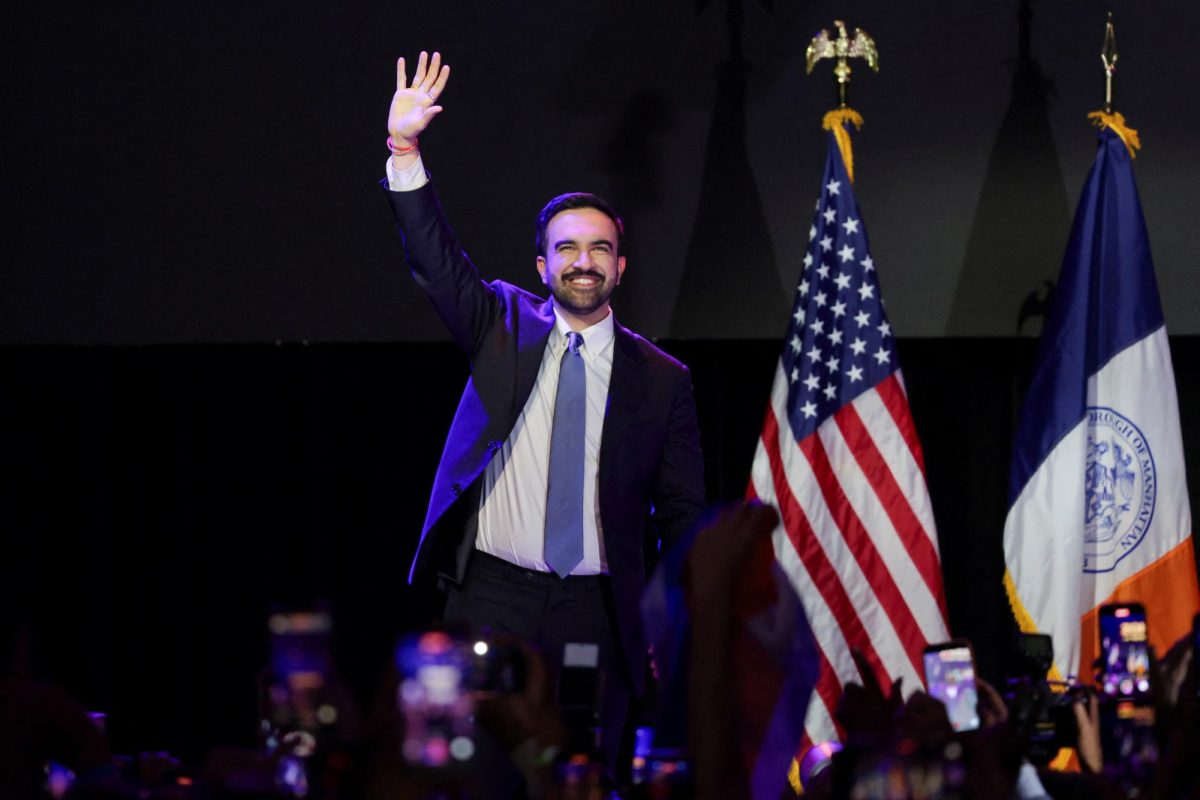
Democratic candidate for New York City mayor Zohran Mamdani reacts after winning the 2025 New York City Mayoral race, at an election night rally in the Brooklyn borough of New York City, New York, U.S., November 4, 2025. REUTERS/Jeenah Moon
Zohran Mamdani, a 33-year-old state assemblyman and self-described democratic socialist, was elected mayor of New York City on November 4, becoming the first Muslim and first person of South-Asian descent to lead the nation’s largest city. His victory represents a generational and ideological shift in New York politics—leaving critics wondering how his sweeping promises will survive the realities of governing.
Mamdani’s triumph capped months of grassroots campaigning that drew in younger and working-class voters frustrated by soaring rents and stagnant wages. His platform called for fare-free buses, rent freezes for stabilized tenants, and the creation of city-owned grocery stores to combat food costs. “We have won because New Yorkers have stood up for a city they can afford,” he told supporters throughout his campaign. “A life of dignity should not be reserved for a fortunate few.”
“Tonight, we have toppled a political dynasty,” Mamdani told a roaring crowd in Brooklyn on election night. “New York will remain a city of immigrants, a city built by immigrants, powered by immigrants—and as of tonight, led by an immigrant.” He then turned his attention to Washington. “Donald Trump, since I know you’re watching — I have four words for you: turn the volume up.”
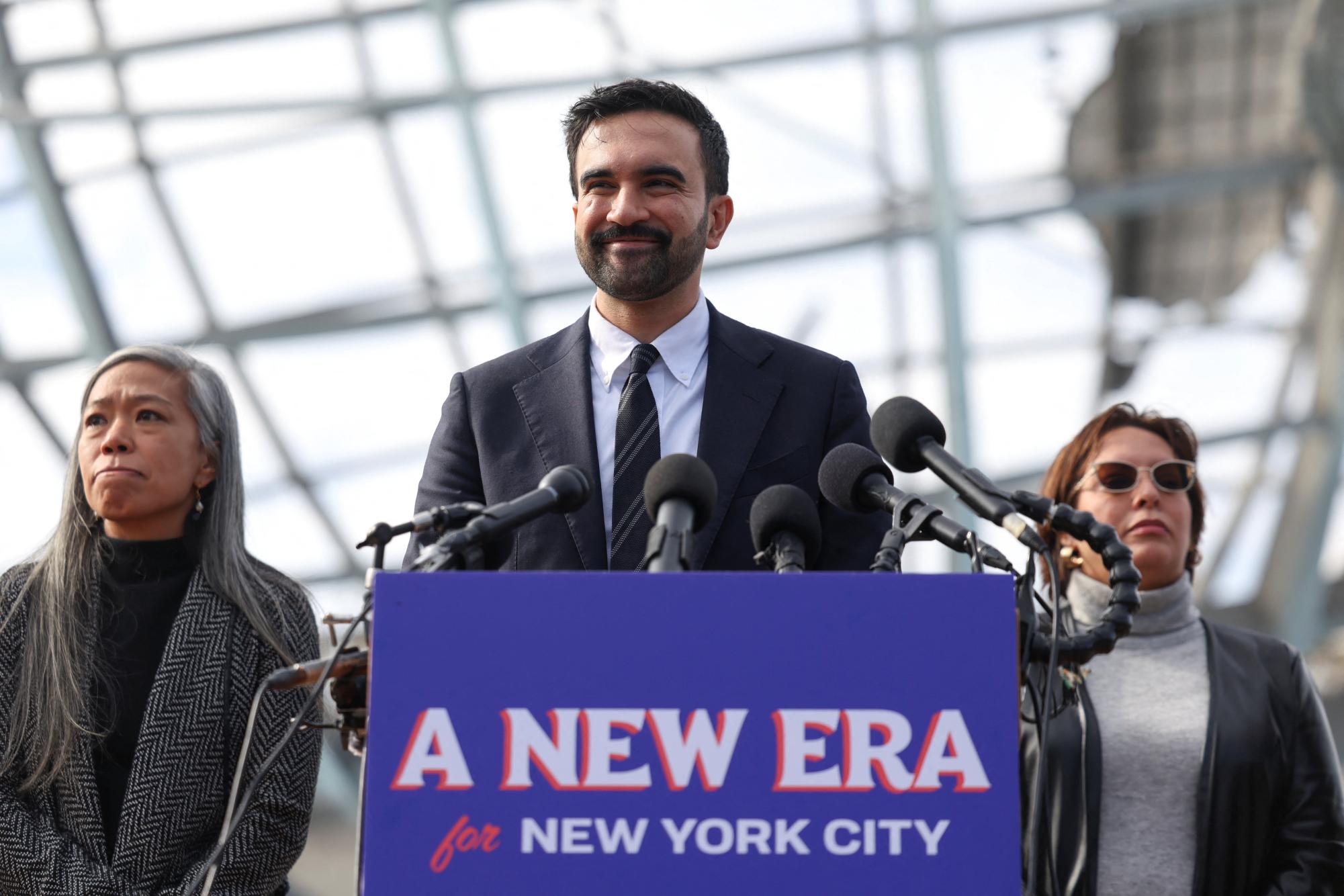
The scale of his victory stunned political observers, defeating former governor Andrew Cuomo by double digits in the Democratic primary. “I think the Democratic Party must always remember what made so many proud to be Democrats,” Mamdani said in an interview with ABC News. “There is a need for a new generation of leadership.”
Yet even among those who welcome change, doubts remain about what comes next. Mamdani’s agenda, while popular among progressives, could strain a city budget already facing multibillion-dollar deficits. A Reuters analysis by Joseph Ax and Maria Tsvetkova in June warned that Mamdani’s upset “carries risks…for national Democrats,” noting that his proposals depend on tax hikes and new spending that will face resistance in Albany and on Wall Street. Business leaders, meanwhile, have voiced concern that his rhetoric on taxing the wealthy and expanding city control could drive investment elsewhere.
Mamdani has brushed off those critiques, framing them as proof that entrenched power brokers feel threatened. “When we enter City Hall in 58 days, expectations will be high,” he said. “We will meet them.”
Still, the path ahead may test his ability to balance ideology with practicality. New York’s intricate web of agencies, unions, and state oversight means even modest reforms can take years to implement. Delivering on promises like fare-free transit or rent freezes will require negotiation, compromise, and deep fiscal creativity.
For now, Mamdani’s election stands as a milestone—not only for representation but for the direction of urban progressivism nationwide. Whether his administration fulfills that promise or becomes a cautionary tale of overreach will depend on what he does once the celebrations fade.